The Social and Solidarity Economy (SSE) cannot be understood without community. Cooperatives, associations, work integration social enterprises, third sector organisations or collective entrepreneurship projects share a common purpose: to put people at the centre and generate a positive impact in their communities and local areas. But for these initiatives to grow and strengthen, it is essential to create real collaboration networks, meeting spaces and dynamics that foster active participation.
In this context, through the Creasse project, we have developed several strategies to involve entities, professionals and entrepreneurs around a common ecosystem of Social Economy in Extremadura.
Creating community starts by making it visible
One of the first steps towards strengthening the Social and Solidarity Economy (SSE) is increasing the visibility of the organisations and people that are already part of it. In many cases, organisations working within the same region share similar objectives but remain disconnected, unaware of each other’s work or potential opportunities for collaboration.
For this reason, one of the initiatives promoted by Creasse has been the development of a mapping tool for Social and Solidarity Economy organisations, available on the project’s website. This tool not only helps identify and locate initiatives, but also highlights the collective value that already exists across the region.
The map serves as a hub for connection: it facilitates contact between organisations, gives visibility to transformative projects, and helps generate a sense of belonging to a wider network. In addition, it is a gateway for new entities interested in joining the SSE ecosystem.
Purposeful networking: building links beyond the event
Networks are not built solely by sharing information; they are built by creating spaces where people can meet, listen to each other, and collaborate.
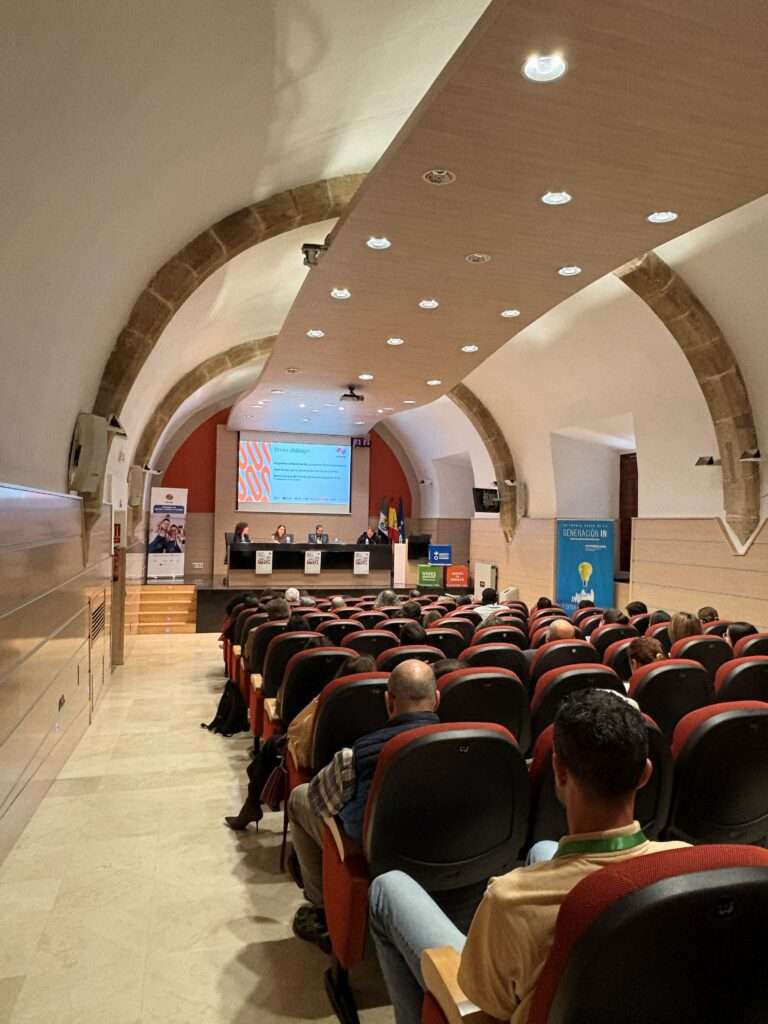
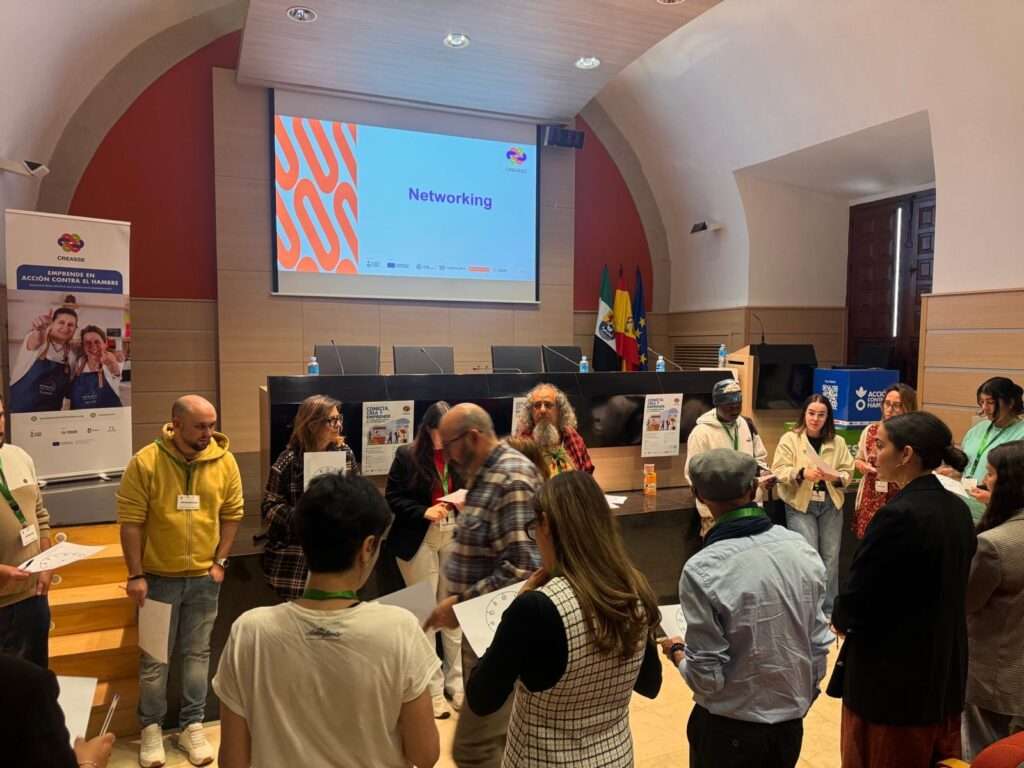
For this reason, during the event held within the framework of Creasse, a networking strategy was designed to target two different but complementary groups.
Networking between Social Economy entities
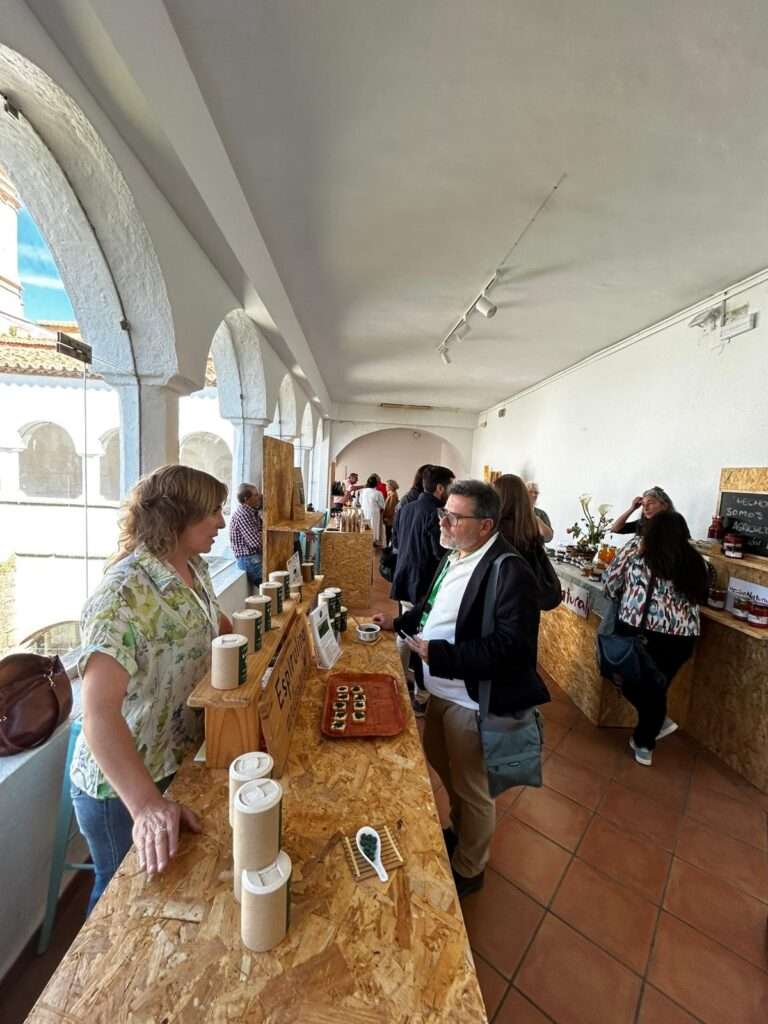
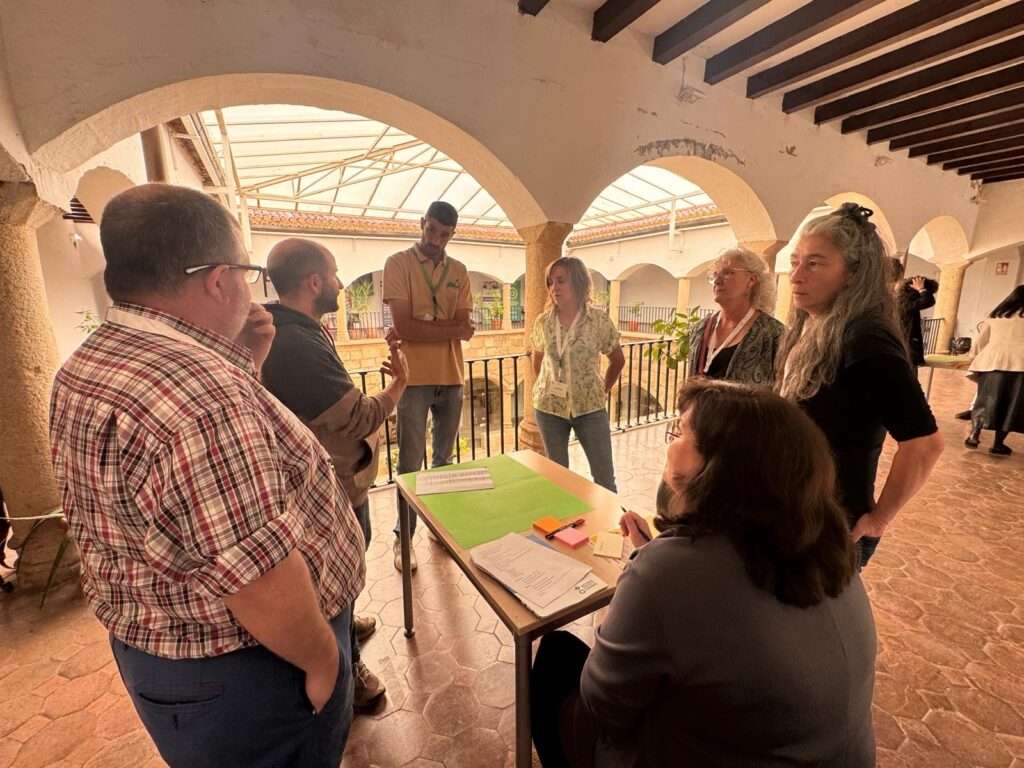
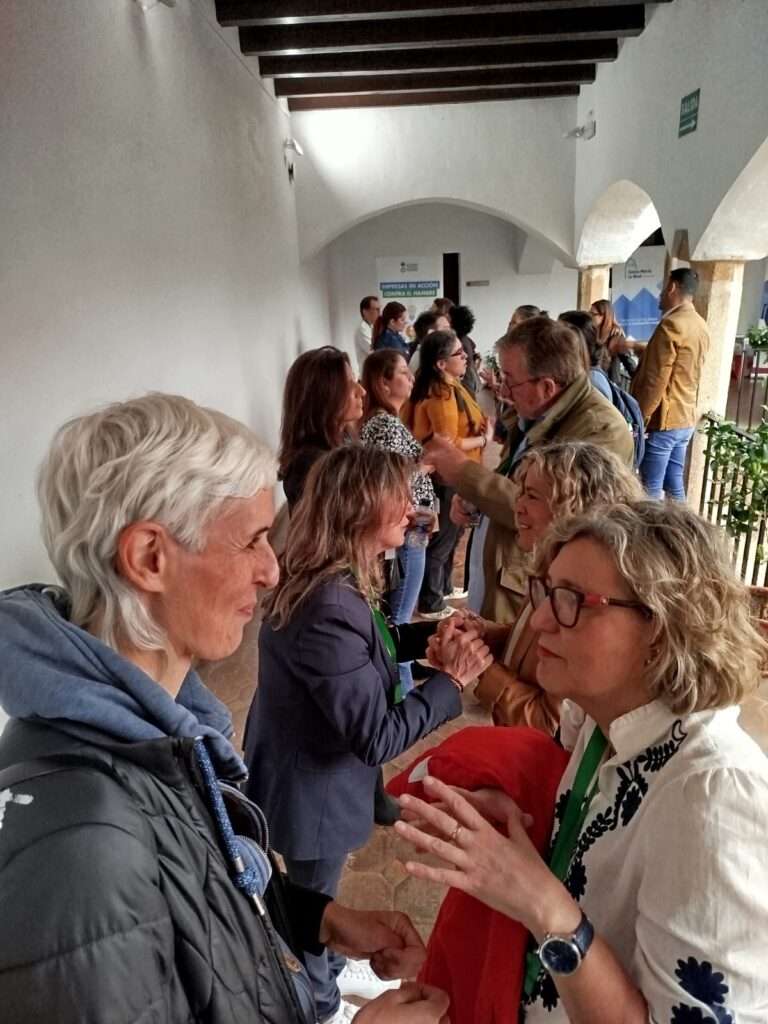
On the one hand, thematic roundtables were organised for SSE entities, where key issues for the sector were addressed: cooperation between organisations, sustainability of projects, financing, communication, generational renewal or social impact, among other topics of interest.
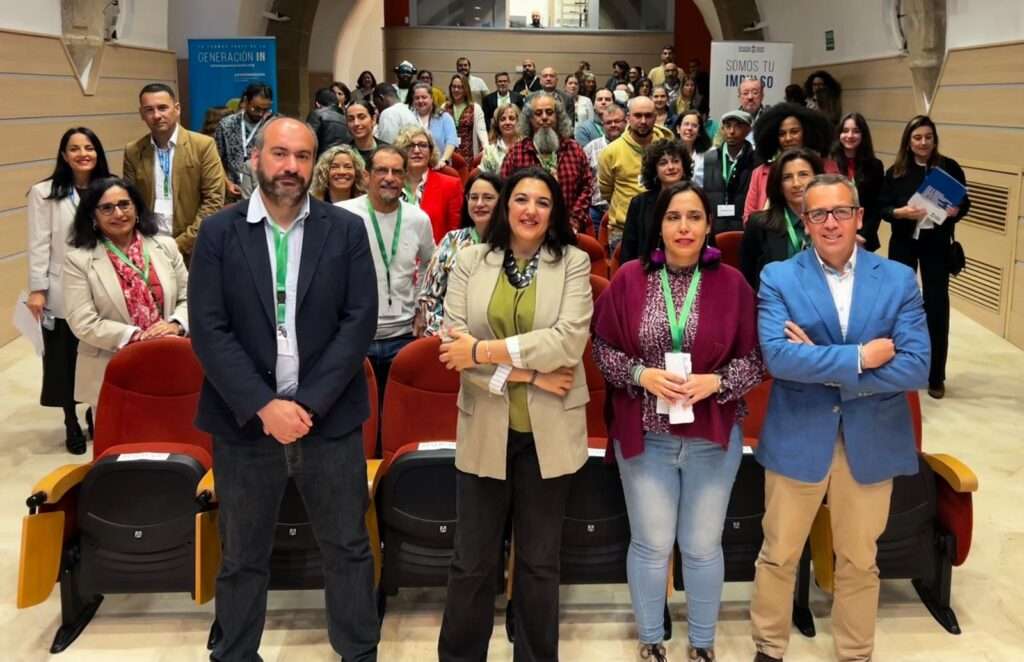
These activities brought together a wide range of stakeholders from across the region: 26 Social and Solidarity Economy organisations participated — including foundations, associations, cooperatives and worker-owned companies — bringing together 69 participants and representatives from five projects, establishing these meetings as genuine spaces for building alliances and fostering collaboration.
The dynamics developed made it possible to share real experiences, detect common needs and draw collective conclusions about the challenges and opportunities of the sector. But, above all, they contributed to strengthening links between entities that, in many cases, had not had the opportunity to collaborate previously.
Effective networking is based precisely on this: building trust, identifying shared interests and opening new opportunities for collaboration.
Networking for people with entrepreneurial ideas
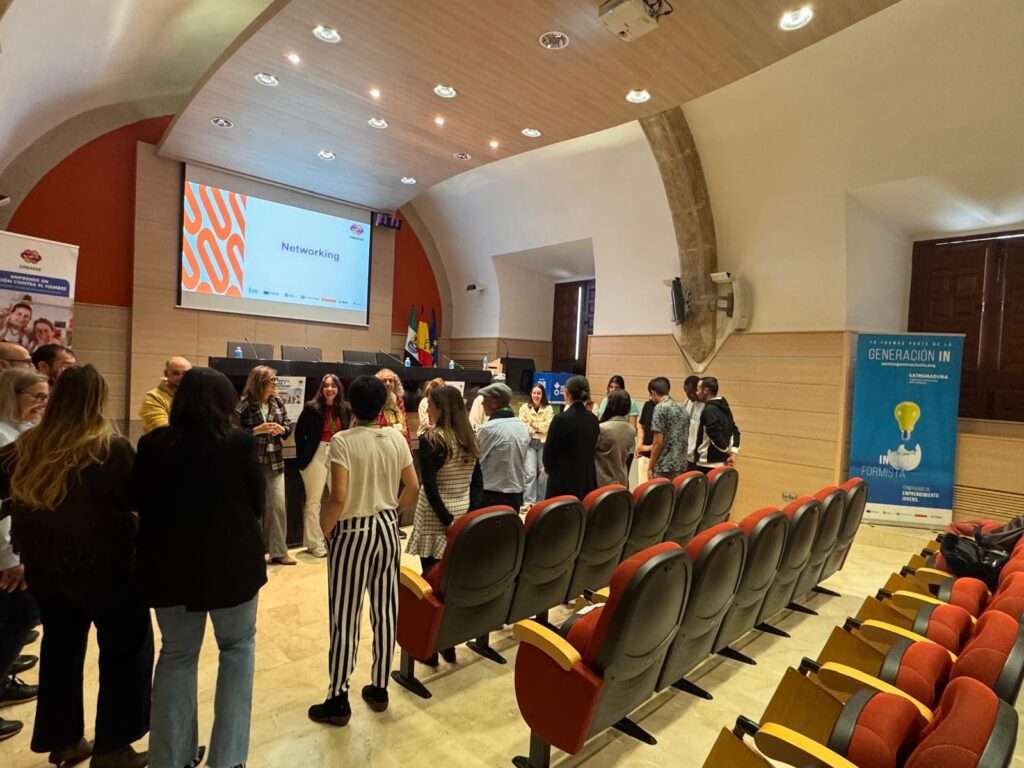
On the other hand, specific initiatives were developed to support people interested in entrepreneurship or exploring business ideas within the Social Economy.
In this case, the approach was aimed at strengthening the social and professional network of the participants, helping them to connect with other initiatives, find support and understand the value of collective entrepreneurship compared to more individualized approaches.
Often, people who want to start a business need more than technical training; they need to feel part of a community that supports, inspires and creates opportunities. Creating spaces where ideas, concerns and learning can be shared is key to promoting more sustainable projects with a greater social impact.
Support processes as a tool for participation
Another key to involving the community is to offer ongoing and close support processes.
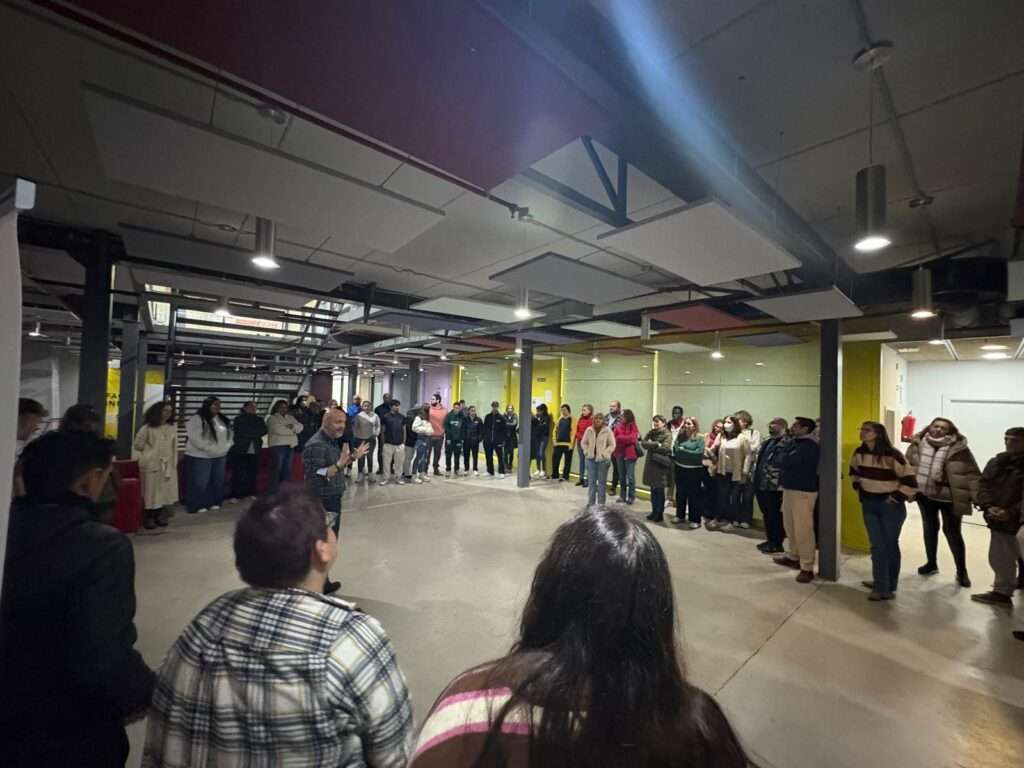
Within the framework of Creasse’s training programme, several Social Economy entities participated in group mentoring and collaborative support processes. These spaces allowed us to address real project challenges through a participatory approach, fostering knowledge exchange and mutual learning.
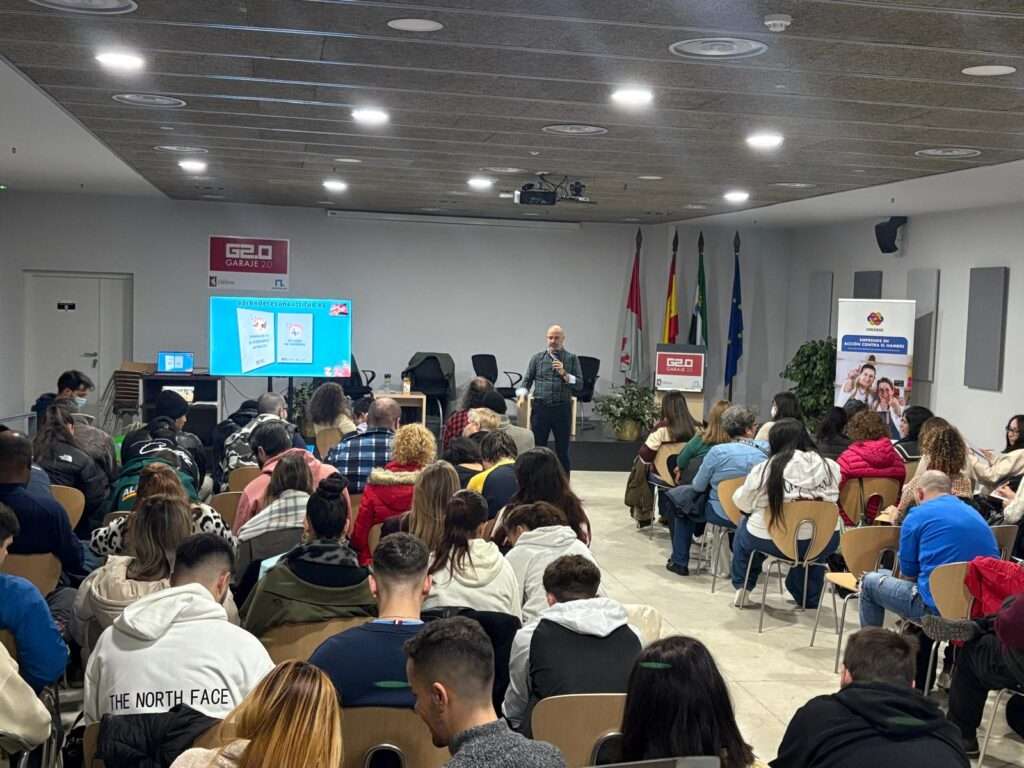
This support process was complemented by a training programme that had the participation of 118 people, strengthening the capacities of organisations, entrepreneurs and stakeholders linked to the Social Economy and favouring collective learning processes.
Group mentoring provides significant added value: it reduces the sense of isolation often experienced by entrepreneurs and organisations, fosters cooperation and demonstrates that many challenges are shared. In addition, it allows collective solutions to be built by taking advantage of the experience and diversity of the participants.
Keys to Engaging the Community in SSE Initiatives
Based on the experience developed in Creasse, there are some fundamental elements to strengthen community participation in Social Economy initiatives:
-
- Make the existing ecosystem visible, providing tools that connect entities and people.
- Create real meeting spaces, where experiences can be shared and trust built.
- Promote participatory dynamics, focused on common needs and interests.
- Promote collective entrepreneurship, highlighting the value of collaboration over competition.
- Invest in mentoring and support processes, creating ongoing and accessible support structures.
- Promote horizontal networks, where all voices have space and the capacity to contribute.
- Build communities to drive local transformation.
The Social and Solidarity Economy has enormous potential to generate local development, social cohesion and socially impactful innovation. But its potential emerges when initiatives stop working in isolation and begin to weave solid networks of collaboration.
Involving the community is not only about adding participants to a project; it means creating spaces where people feel they are active participants in collective transformation.
At Creasse, we continue working in this direction: connecting organisations, promoting alliances and strengthening a Social Economy network capable of generating sustainable opportunities across the region.