The New European Bauhaus (NEB) is often associated with architecture, design and the transformation of physical spaces. Yet its most profound ambition goes far beyond the built environment. At its core, the initiative seeks to create places that are not only sustainable and beautiful, but also inclusive, empowering communities to shape their own future. Across Europe’s rural territories, this challenge is particularly pressing.
Rural areas are home to extraordinary natural, cultural and social assets, yet many continue to face persistent challenges: population decline, ageing demographics, limited employment opportunities, difficulties accessing services, and the outmigration of young talent. These realities make rural territories not peripheral to Europe’s future, but central to the green and digital, and social transitions
It is within this context that the CREASSE project provides valuable evidence of how the principles of the Social and Solidarity Economy (SSE) can support one of the key ambitions of the New European Bauhaus (NEB): the transformation of communities through inclusion, participation and empowerment. Rather than focusing primarily on the physical transformation of places, CREASSE has concentrated on strengthening the capacities of people in vulnerable situations to become active creators of sustainable economic and social initiatives within their own territories. The project’s experience therefore offers relevant insights for NEB-related discussions and future initiatives aimed at fostering community-led transformation and social inclusion.
From Rural Challenges to Community-Led Solutions
The Social and Solidarity Economy shares many of the values that define the New European Bauhaus. Both approaches place people at the centre of development, prioritise long-term wellbeing over short-term profit, encourage collective action, and seek solutions that generate social, environmental and economic value simultaneously.
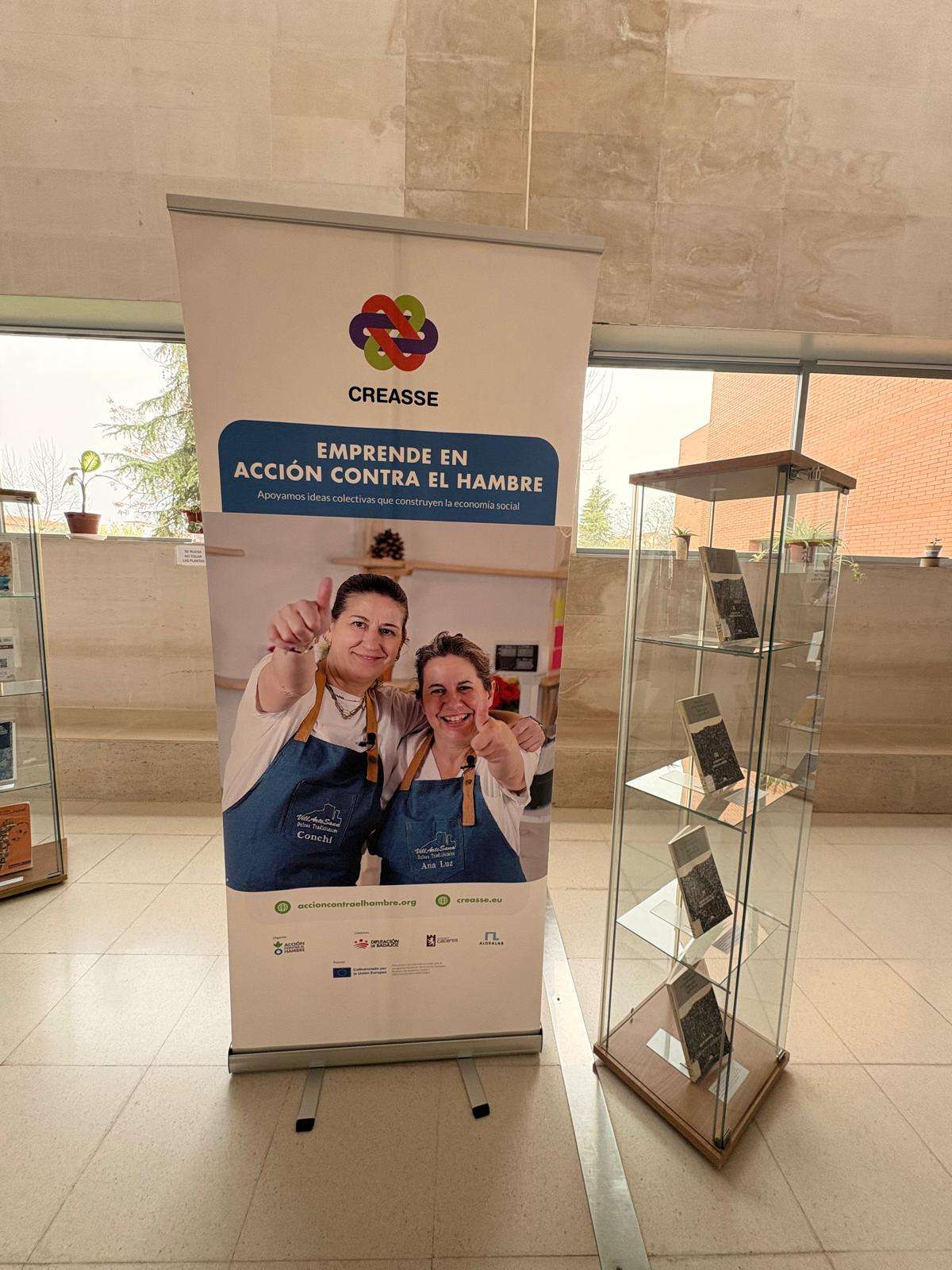
Throughout its implementation in Spain, Italy, Hungary, Cyprus and Albania, CREASSE explored how social entrepreneurship and community-led initiatives can contribute to more resilient rural ecosystems. The project brought together Local Action Groups, social economy organisations, training providers, public authorities and community actors to support individuals facing barriers to employment and participation.
By doing so, CREASSE provides valuable insights into how locally driven processes of social and economic innovation can contribute to broader discussions on sustainable, inclusive and place-based development within the framework of the New European Bauhaus.
Bringing NEB Values to Life
The alignment between CREASSE and the New European Bauhaus can be understood through the initiative’s three core values: Beautiful, Sustainable and Together.
Together: Strengthening Social Cohesion and Participation
Inclusion is one of the foundational pillars of the NEB initiative. CREASSE translated this principle into practice by supporting rural women, unemployed adults, young people, migrants and other vulnerable groups to actively participate in shaping local economic opportunities.
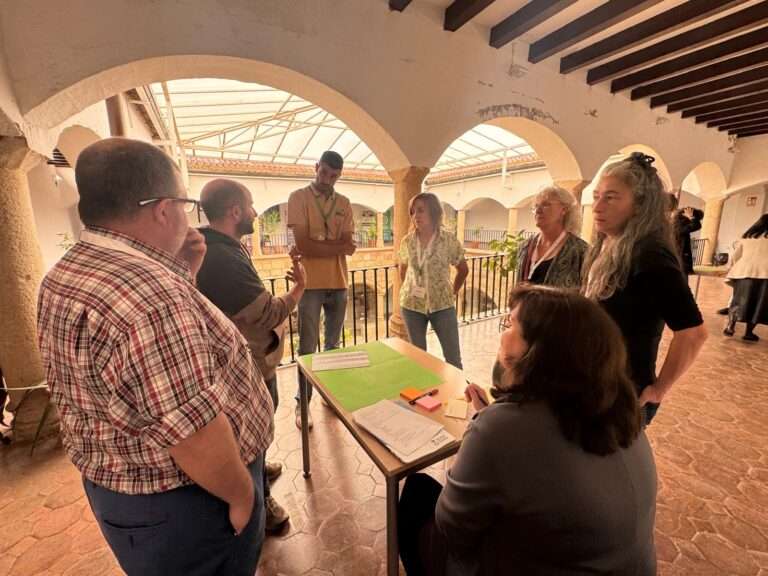
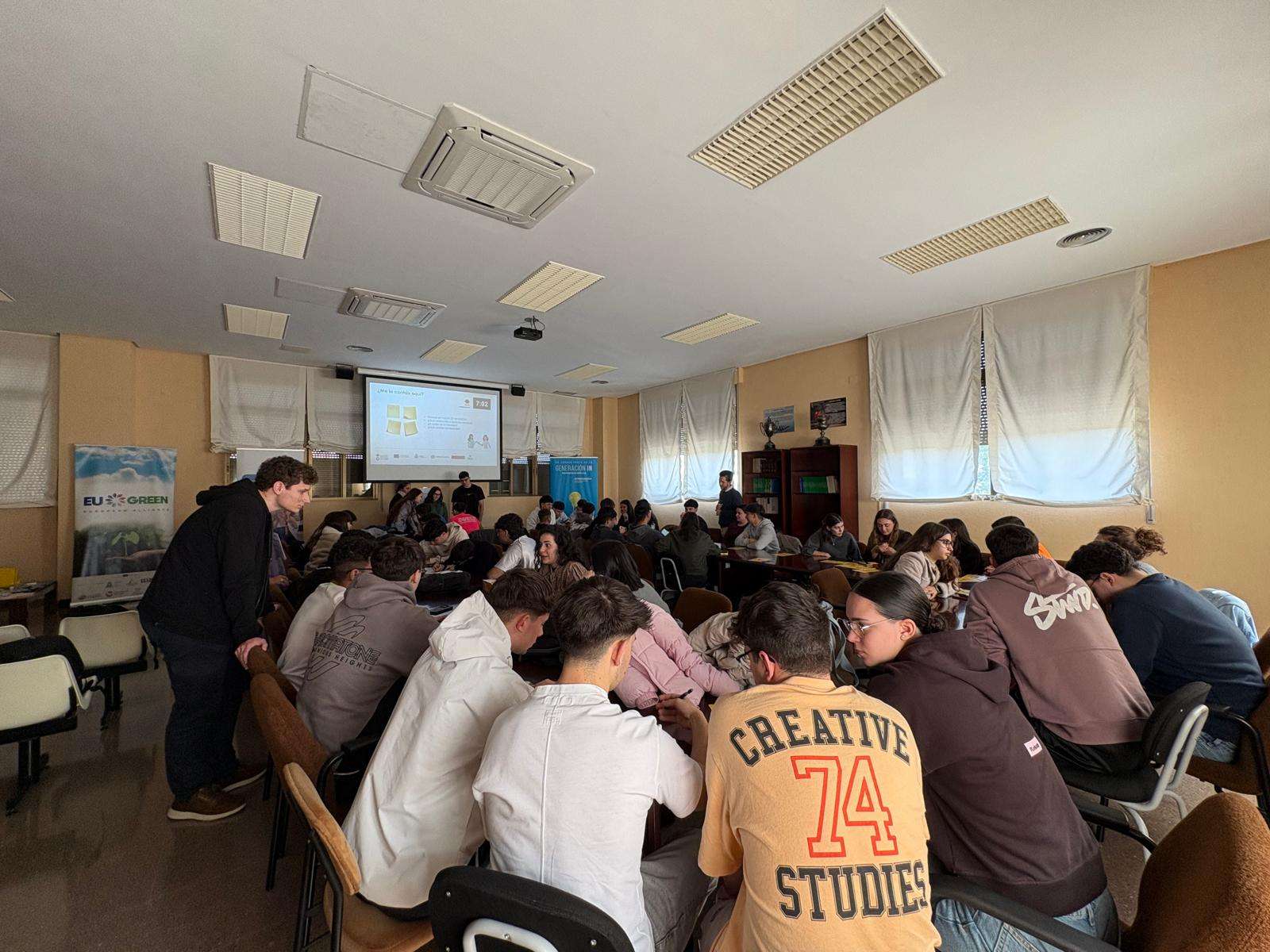
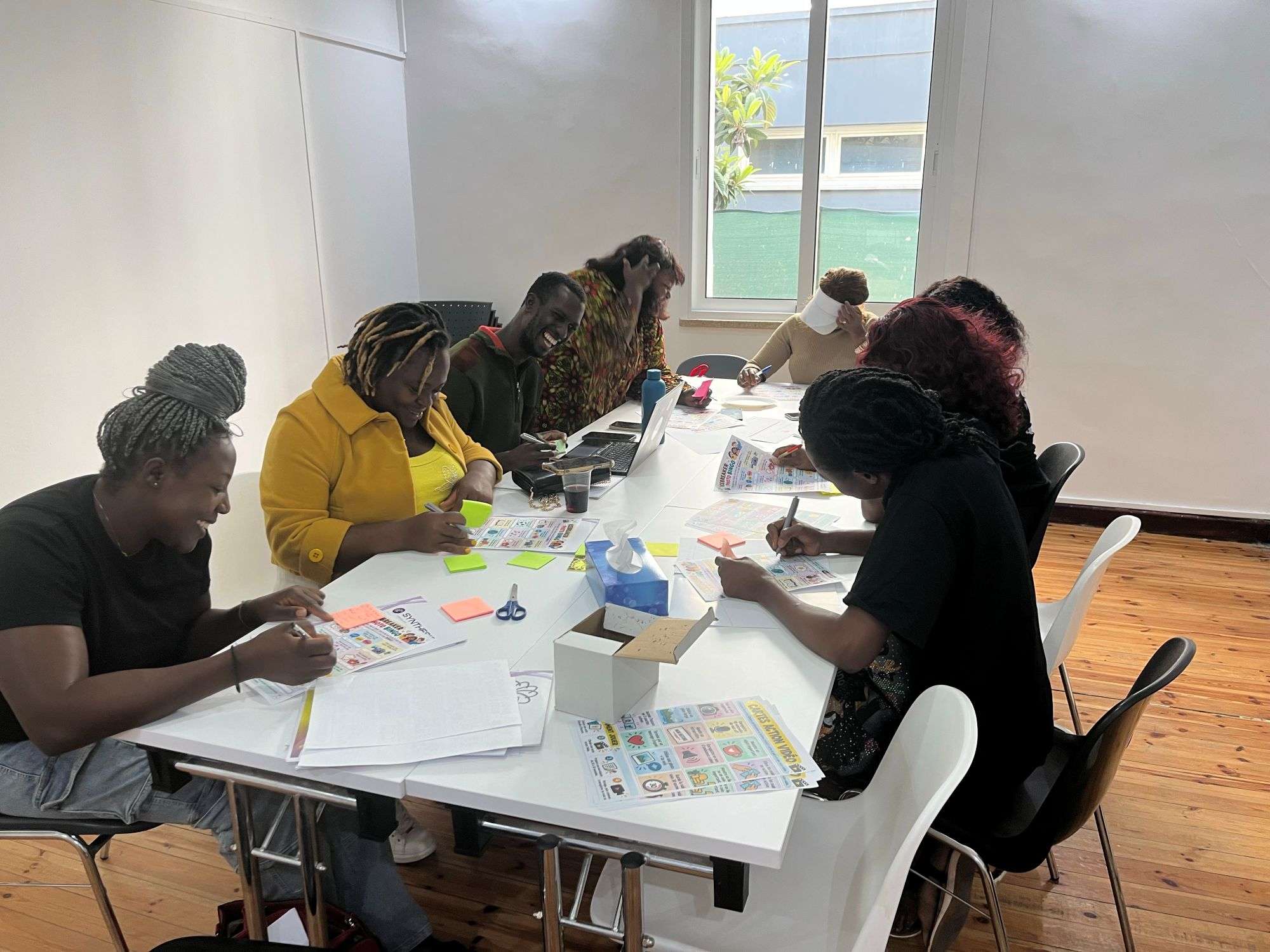
Rather than treating beneficiaries as passive recipients of support, the project promoted co-creation processes where participants, facilitators, local authorities and community organisations worked together to identify territorial needs and transform them into viable social economy initiatives.
This collaborative approach strengthened local networks and reinforced a sense of belonging, ownership and collective responsibility, all essential ingredients for sustainable territorial development.
Sustainable: Building the Green Transition from the Ground Up
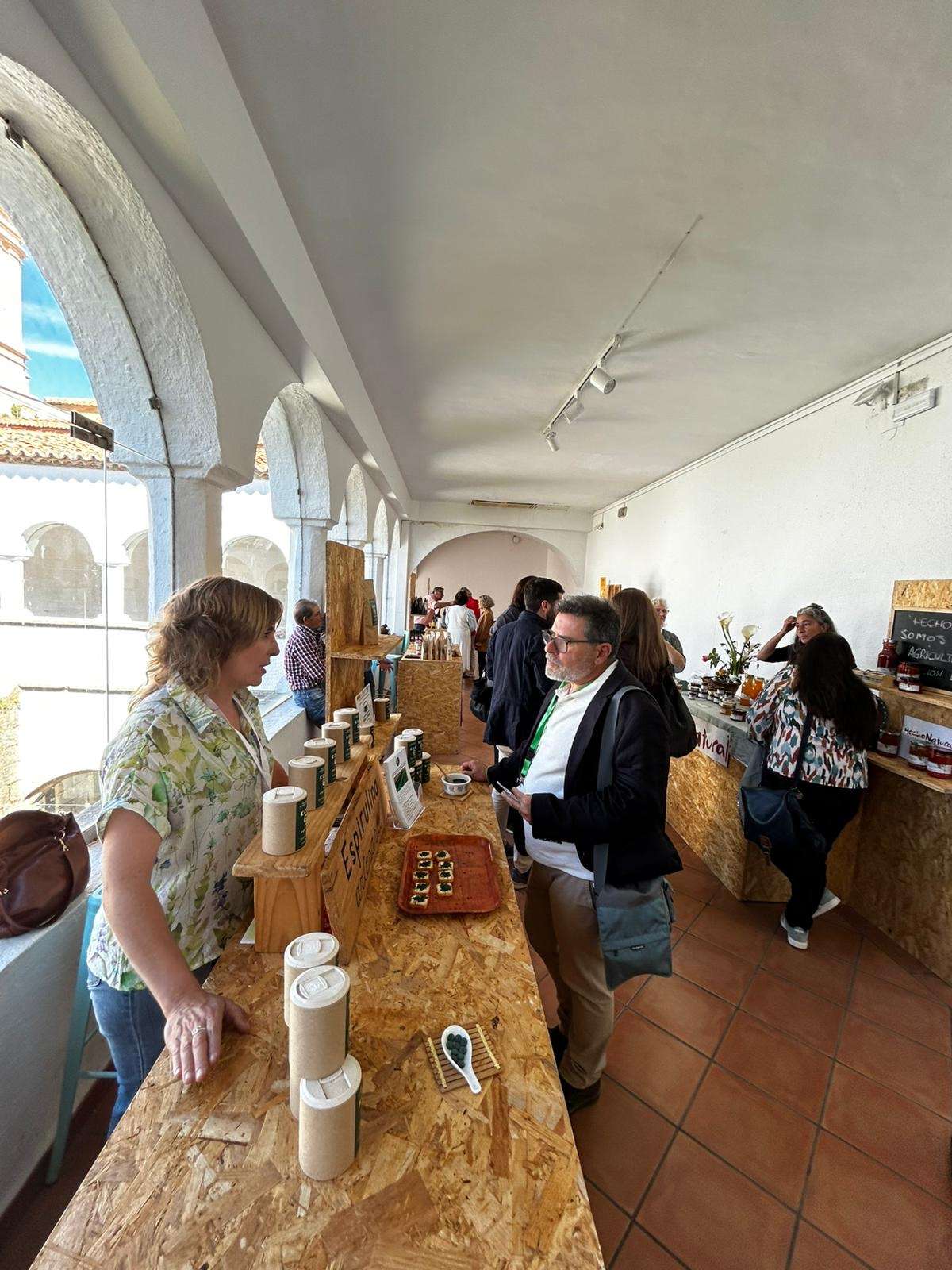
The project also embraced sustainability as an economic and social opportunity for rural communities. Through the integration of the GreenComp European sustainability competence framework, CREASSE supported participants in developing ventures linked to areas such as circular economy practices, sustainable agriculture, local food systems, renewable energy, eco-tourism and responsible consumption.
In doing so, the project demonstrated that the green transition could become a powerful vehicle for social inclusion when vulnerable populations are equipped with the skills, knowledge and support needed to participate in emerging green economies.
This approach closely reflects the growing European understanding that environmental sustainability and social justice cannot be pursued separately. A truly green transition must also be a fair and inclusive transition.
Beautiful: Designing Meaningful and Human-Centred Futures
The concept of “beauty” within the New European Bauhaus extends beyond aesthetics to encompass quality of life, cultural identity and human wellbeing.
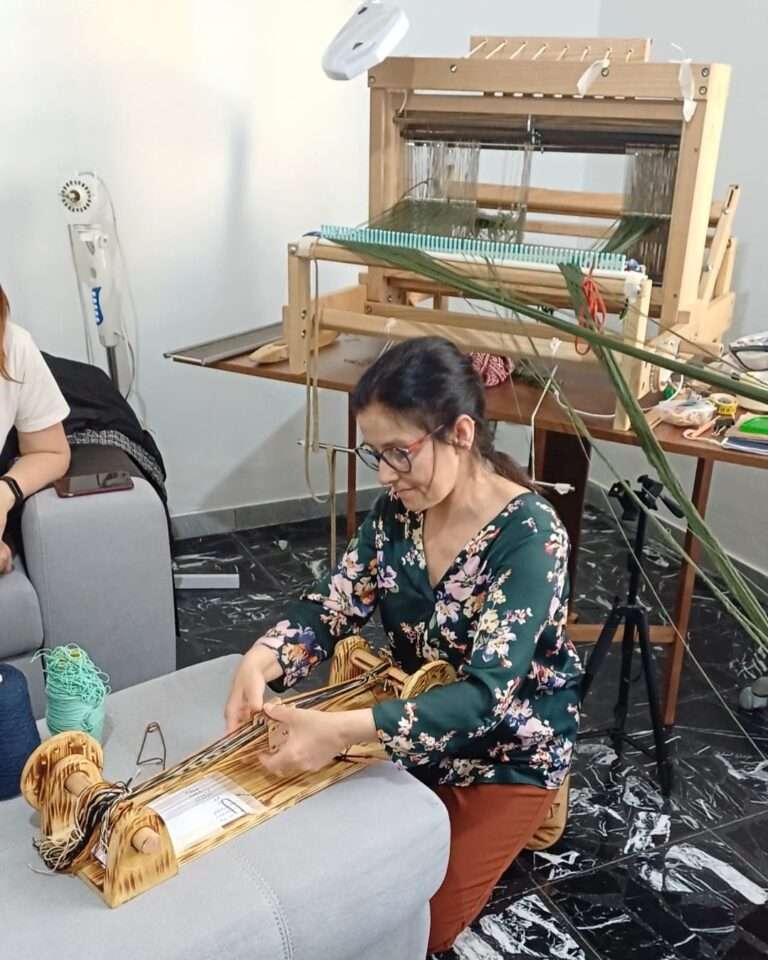
CREASSE embraced this broader interpretation through its innovative educational methodology. Through non-formal learning, personal development activities and collaborative “Learning Stations”, participants were encouraged not only to acquire entrepreneurial competencies but also to strengthen confidence, creativity, leadership and emotional resilience.
In this sense, the project recognised that rural regeneration is not only about creating businesses. It is also about creating opportunities for people to build meaningful futures within the places they call home.
Across Spain, Italy, Hungary, Cyprus and Albania, CREASSE demonstrated how social economy and community-led innovation can respond to rural challenges through locally tailored solutions. The project engaged more than 250 participants in training, mentoring and capacity-building activities, supporting the development of 40 business ideas. The project worked with a diverse range of participants, including young people, women entrepreneurs, aspiring entrepreneurs, people with migrant and refugee backgrounds, all of whom faced specific challenges requiring the strengthening of their skills, entrepreneurial capacities and access to opportunities. Through more than 95 mentoring sessions, delivered by a network of 15 internal and external mentors. By fostering entrepreneurship, strengthening local value chains, promoting social inclusion and supporting sustainable business models, CREASSE empowered rural communities to create innovative responses to their social, economic and environmental challenges.
While each territory followed its own path, all demonstrated a common lesson: rural communities possess the creativity, resources and capacity needed to drive their own transformation when appropriate support structures are put in place.
Building a Lasting Legacy
Beyond its direct activities, CREASSE has generated a set of practical resources designed to ensure long-term impact and replicability.
These include:
- A multilingual Social and Solidarity Economy Toolbox for aspiring entrepreneurs.
- A Practical Handbook for Social Facilitators, supporting professionals working in community-based learning environments.
- An Interactive Alliances Map designed to foster cooperation among social enterprises, public authorities, training providers and local development actors.
Together, these resources contribute to a broader European ecosystem of knowledge and practice capable of supporting future social economy initiatives in rural areas.
A New Vision for Europe’s Rural Future
Perhaps the most important lesson emerging from CREASSE is that rural territories should not be viewed solely through the lens of disadvantage or demographic decline.
Instead, they can be understood as places where innovative responses to Europe’s most pressing challenges are already taking shape.
By combining the principles of the Social and Solidarity Economy with the human-centred vision of the New European Bauhaus, CREASSE has shown that rural development can be simultaneously inclusive, sustainable and transformative. Its experience demonstrates that social innovation, community participation and local entrepreneurship are not complementary elements of rural policy, but essential drivers of resilient and regenerative territories.
CREASSE demonstrates how community-led innovation and the Social and Solidarity Economy can contribute to advancing the ambitions of the New European Bauhaus in rural territories by fostering inclusive, sustainable and people-centred development.