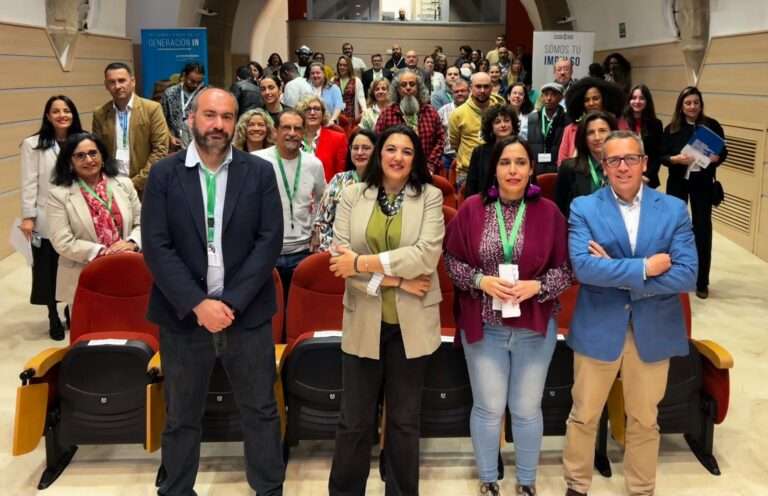
How collaboration between local actors is creating stronger, more inclusive, and resilient rural communities across Europe.
Across Europe, rural communities are rich in traditions, local knowledge, and entrepreneurial potential. Yet many continue to face common challenges, including population decline, youth migration, limited employment opportunities, ageing populations, and reduced access to essential services. While these issues differ from one region to another, they share a common characteristic: they cannot be addressed by a single organisation or institution working alone.
This is where the Social and Solidarity Economy (SSE) offers a different perspective. Rather than focusing solely on economic growth or individual success, SSE promotes cooperation, shared responsibility, and community-driven solutions. It encourages people, organisations, and institutions to work together to create businesses and initiatives that generate both economic value and positive social impact.
However, successful social enterprises do not emerge in isolation. Behind every resilient initiative lies a network of partnerships built on trust, collaboration, and a shared commitment to improving local communities.
Building Stronger Communities Through Partnership
Every rural community possesses unique strengths, whether natural resources, cultural heritage, skilled people, or strong community ties. Unlocking this potential requires bringing together different actors, each contributing their own expertise, resources, and perspectives.
Local authorities understand community priorities and development needs. Civil society organisations work closely with vulnerable groups and help mobilise local participation. Educational institutions equip people with the knowledge and skills needed to adapt and innovate. Businesses contribute market experience, while cooperatives and social enterprises demonstrate how economic activities can be organised around shared values rather than individual profit.
When these stakeholders collaborate, they create an ecosystem that supports entrepreneurship from multiple angles. Instead of working independently, they complement one another, making it easier for new ideas to develop into sustainable initiatives that benefit the wider community.
Strong local partnerships also strengthen social capital, the trust, relationships, and networks that enable communities to work collectively towards common goals. In many cases, these connections become just as valuable as financial resources, creating the conditions for long-term resilience and innovation.
Collaboration Fuels Social Entrepreneurship
Entrepreneurship is often associated with individual ambition and personal success. The Social and Solidarity Economy offers a broader perspective, recognising that many of today’s social, economic, and environmental challenges require collective solutions.
Local partnerships play an essential role throughout the entrepreneurial journey. They help identify genuine community needs, connect aspiring entrepreneurs with mentors and experienced professionals, facilitate access to knowledge and resources, and encourage collaboration instead of competition. By sharing ideas, experiences, and responsibilities, communities are often able to develop more innovative and sustainable solutions than any single organisation could achieve alone.
This collaborative approach is particularly valuable in rural areas, where resources may be limited but community networks are often strong. Working together enables local actors to pool expertise, reduce risks, and create opportunities that might otherwise remain out of reach.
Equally important, collaboration encourages entrepreneurs to think beyond financial sustainability. Successful social enterprises consider how their activities contribute to community well-being, environmental sustainability, social inclusion, and local development. By combining economic objectives with social purpose, they become powerful drivers of positive change within their regions.
Creating Lasting Impact Beyond Individual Projects
The benefits of local partnerships extend far beyond the creation of new enterprises. Communities that collaborate effectively often experience stronger social cohesion, increased civic participation, and greater resilience in the face of economic or social challenges.
Collaborative initiatives create opportunities for people from different backgrounds to contribute their knowledge, share responsibilities, and participate in shaping the future of their communities. This is particularly important for groups who may face barriers to employment or entrepreneurship, including women, young people, migrants, and individuals living in remote rural areas.
Moreover, partnerships help preserve local identity while encouraging innovation. By combining traditional knowledge with new ideas and sustainable business approaches, communities can develop solutions that respect local culture while responding to modern challenges.
These collaborative processes also strengthen confidence and ownership. When people participate in designing and implementing solutions, they are more likely to remain engaged and committed over time, increasing the long-term sustainability of local initiatives.
The Role of CREASSE in Strengthening Local Ecosystems
One of the central objectives of the CREASSE (Fostering Rural and Inclusive Social and Solidarity Economy) project is to strengthen exactly these types of collaborative ecosystems. Rather than focusing solely on individual entrepreneurs, the project recognises that successful Social and Solidarity Economy initiatives depend on strong local partnerships, skilled facilitators, and supportive networks.
Through its Mapping of SSE Alliances, CREASSE has analysed local Social and Solidarity Economy ecosystems across partner countries, identifying key stakeholders, opportunities for collaboration, and existing support structures. At the same time, the project has developed practical resources, including the Toolbox for SSE Entrepreneurs and the Handbook for Social Facilitators, to equip both entrepreneurs and facilitators with the knowledge, skills, and methodologies needed to foster collective entrepreneurship.
Beyond producing educational materials, CREASSE promotes dialogue, networking, and capacity building among organisations working in rural development, entrepreneurship, adult education, and social innovation. By encouraging cooperation between local actors, the project contributes to stronger support systems that can help aspiring social entrepreneurs transform ideas into sustainable community initiatives.
As the project moves into its pilot implementation phase, these partnerships will continue to play a central role in testing, adapting, and strengthening the developed methodologies across different European contexts.
Working Together for a More Resilient Future
The challenges facing rural Europe are complex, but they also present opportunities for communities to rethink how development is achieved. The Social and Solidarity Economy demonstrates that sustainable growth is not driven solely by economic investment, it is equally built on cooperation, trust, and shared responsibility.
When local authorities, civil society organisations, educational institutions, businesses, cooperatives, and citizens work together, they create environments where entrepreneurship becomes more inclusive, innovative, and resilient. These partnerships not only support the creation of new social enterprises but also strengthen the social fabric that enables communities to thrive over the long term.
The experience of CREASSE reinforces a simple yet powerful message: lasting change begins when communities work together. By investing in collaboration, empowering local actors, and building strong networks of support, rural communities across Europe can unlock their potential and create a future that is both economically sustainable and socially inclusive.