Capacity Building in Digital Skills for Social Entrepreneurs Bridging the Gap between Mission and Technology
Capacity building and training have consistently played a fundamental role in the development of social economy.
From intention to action in the Social Economy If January’s conversation focused on why young people are increasingly drawn to social enterprises, February invites us to explore the next crucial…
The Social and Solidarity Economy (SSE) is positioning itself no longer as a marginal alternative, but as the natural home for young talent seeking a purpose that transcends mere profit.
The European Union is creating new rules that define what counts as “sustainable” for investors. This is where the EU taxonomy comes in, and where the paths of finance, climate policy and the social economy start to meet.
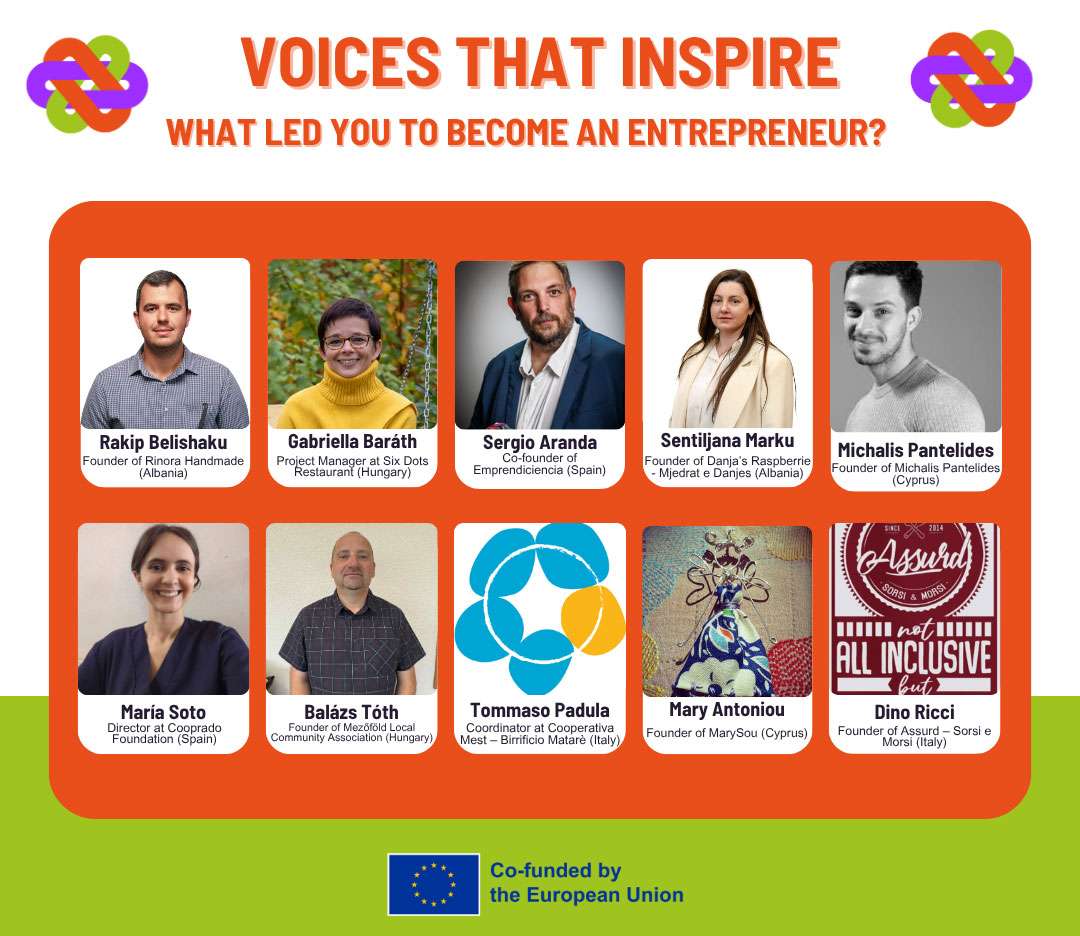
When it comes to entrepreneurship, an inevitable question arises: should you go for the individual path or the collective one?
In 2025, the Start-up and Scale-up Initiative 2025 renewed this focus, aligning with the EU’s Industrial Strategy to help mission-driven start-ups and social enterprises expand, innovate, and contribute to the twin green and digital transitions.
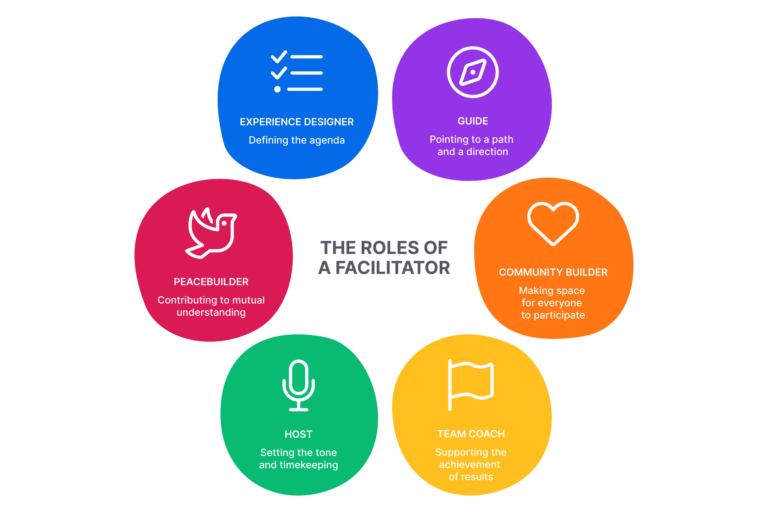
In the framework of the Social and Solidarity Economy (SSE), the role of the Social Facilitator (SF) is of central importance.
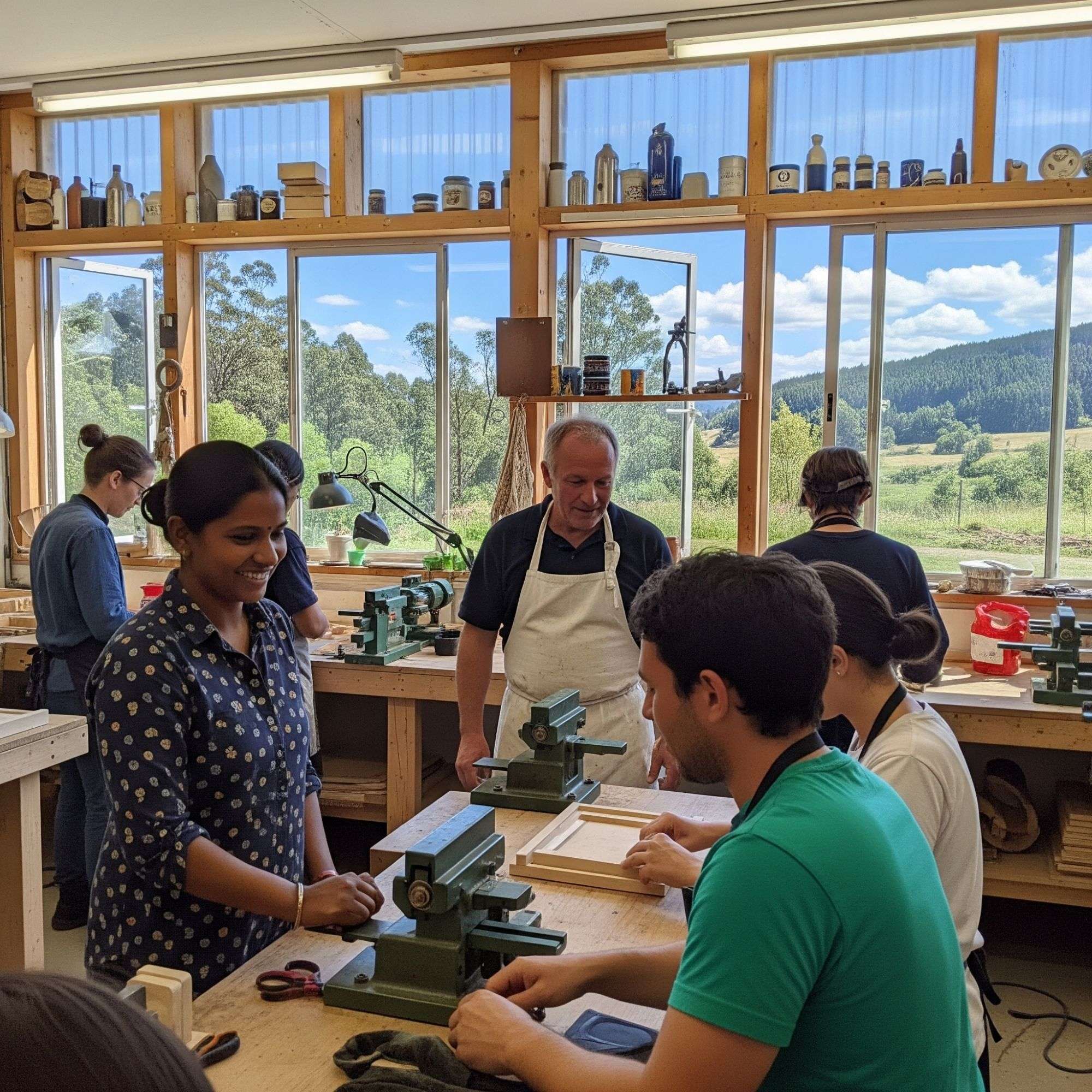
Establishing and nurturing an economic activity within the SSE in a rural area is a venture brimming with both unique hurdles and deeply rewarding opportunities.
In 2025, this celebration takes on even greater importance, as it aligns with the United Nations International Year of Cooperatives (IYC2025).
The session showed just how much interest there is in the Social and Solidarity Economy (SSE) across Europe, and how much potential it has to bring new life and opportunities to our rural communities.