What does it take to turn an idea for a more inclusive local economy into something practical? For CREASSE, the answer has involved much more than raising awareness: across five European countries, people have been learning together, testing business concepts, receiving mentoring and connecting with organisations that can support their next steps.
As the Erasmus+ project CREASSE (Fostering Rural and Inclusive Social and Solidarity Economy) approaches its conclusion in October 2026, the partnership is bringing together the results of its pilot learning programmes, community engagement activities and ongoing sustainability efforts. The aim is to make the Social and Solidarity Economy (SSE) more accessible to adults with fewer opportunities, particularly in rural areas, and to ensure that the experience gained can be used beyond the project period.
Learning by doing: the heart of CREASSE
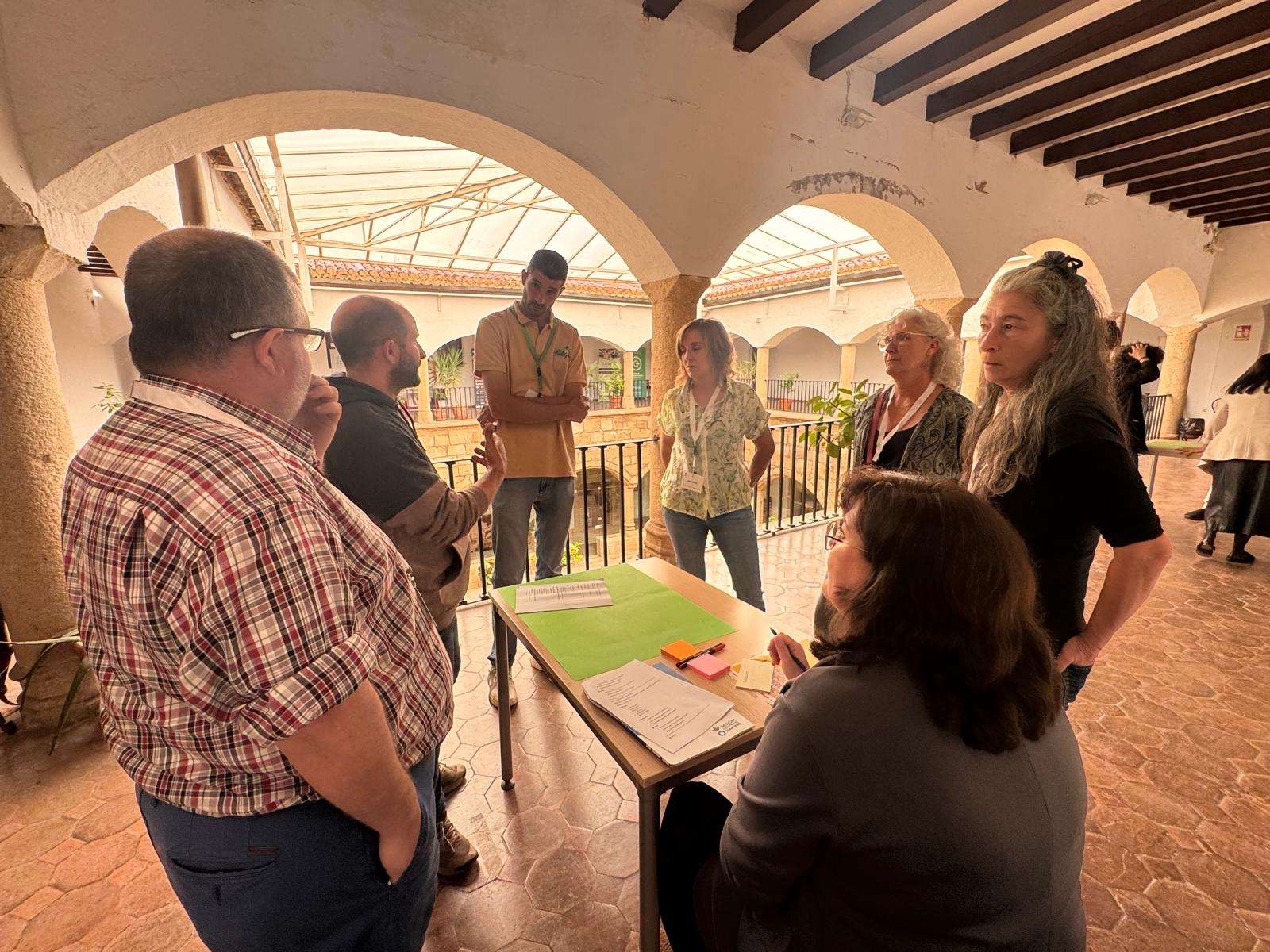
At the centre of this work is the Pilot Learning Experience. Partners in Spain, Hungary, Italy, Cyprus and Albania developed and piloted an inclusive learning pathway built around a common framework of seven thematic workshops per country, adapted and, where appropriate, expanded to reflect local needs. Rather than presenting social entrepreneurship as an abstract concept, the programme helped participants explore how to build a collective initiative with both a social purpose and a viable business model.
The thematic sessions covered personal, entrepreneurial and green competences; leadership and self-care; marketing; business model development; legal structures for social enterprises and cooperatives; and economic analysis and access to finance. Practical exercises, examples and group work drew on the CREASSE Toolbox and Practical Handbook, with trained social facilitators guiding the process.
The workshops formed part of a broader learning journey. Ten networking sessions with more than 200 participants, connected aspiring entrepreneurs with peers and local stakeholders; individual or small-group mentoring helped participants refine their ideas; and five community pitching activities with more than 150 participants, offered opportunities to present emerging proposals and receive feedback. The model combined structured learning with the flexibility needed by participants facing different social, economic and geographical barriers.
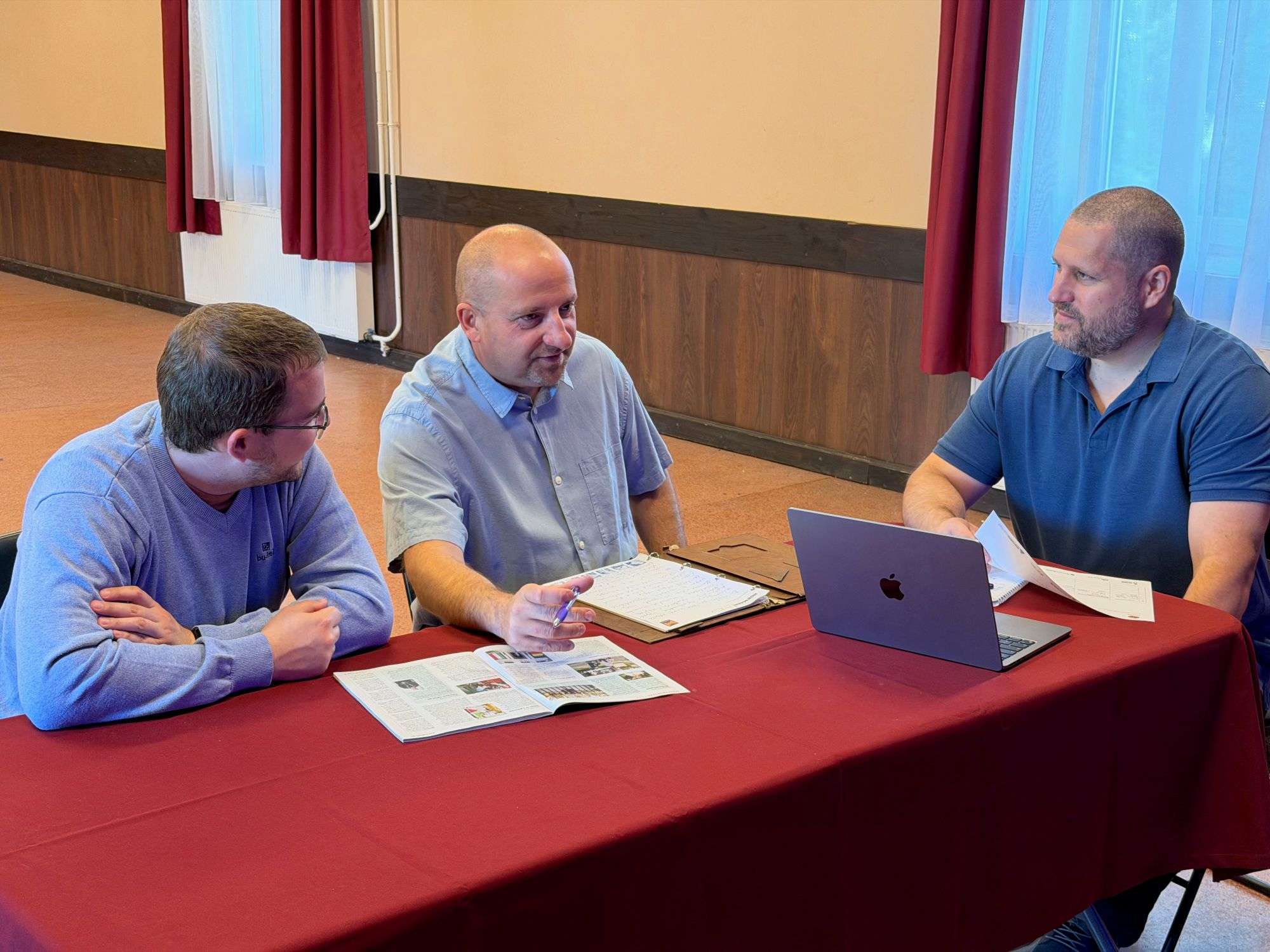
Local implementation reflected this diversity. In Extremadura, Acción contra el Hambre involved specialised social economy actors, including AEXLAB, in participatory workshops using approaches such as Design Thinking. In Hungary, the Central Transdanubian Regional Innovation Agency (KDRIÜ) based its delivery model on links with local action groups and trained six facilitators, including community representatives. In Matera, Materahub built on its cooperation with SSE entrepreneurs and local artisans, whilst also working in partnership with local associations that are in close contact with the community. In Cyprus, SYNTHESIS worked with Hub Nicosia on an inclusive, participatory programme, while Partners Albania placed particular emphasis on mentoring and the practical development of business ideas.
The pilot experience also produced concrete learning outcomes across all five partner countries. In Spain, 20 business ideas were supported through 60 mentoring sessions, while Albania supported eight business ideas through 22 mentoring sessions. In Hungary and Italy, two business ideas were developed in each country, supported by 6 mentoring sessions respectively, while in Cyprus, targeted mentoring helped develop two social business ideas. Across the partnership, experience showed that a smaller, committed group of learners, continuous support from social facilitators and a locally relevant approach were often more valuable than participation numbers alone. These lessons can help other adult educators and entrepreneurship-support organisations adapt the methodology.
Awareness-raising rooted in local communities
The learning programme was complemented by a wide range of awareness-raising activities designed to reach broader audiences and engage different target groups across all five partner countries. Among the many initiatives carried out, several examples illustrate the diversity of approaches adopted by the partnership.
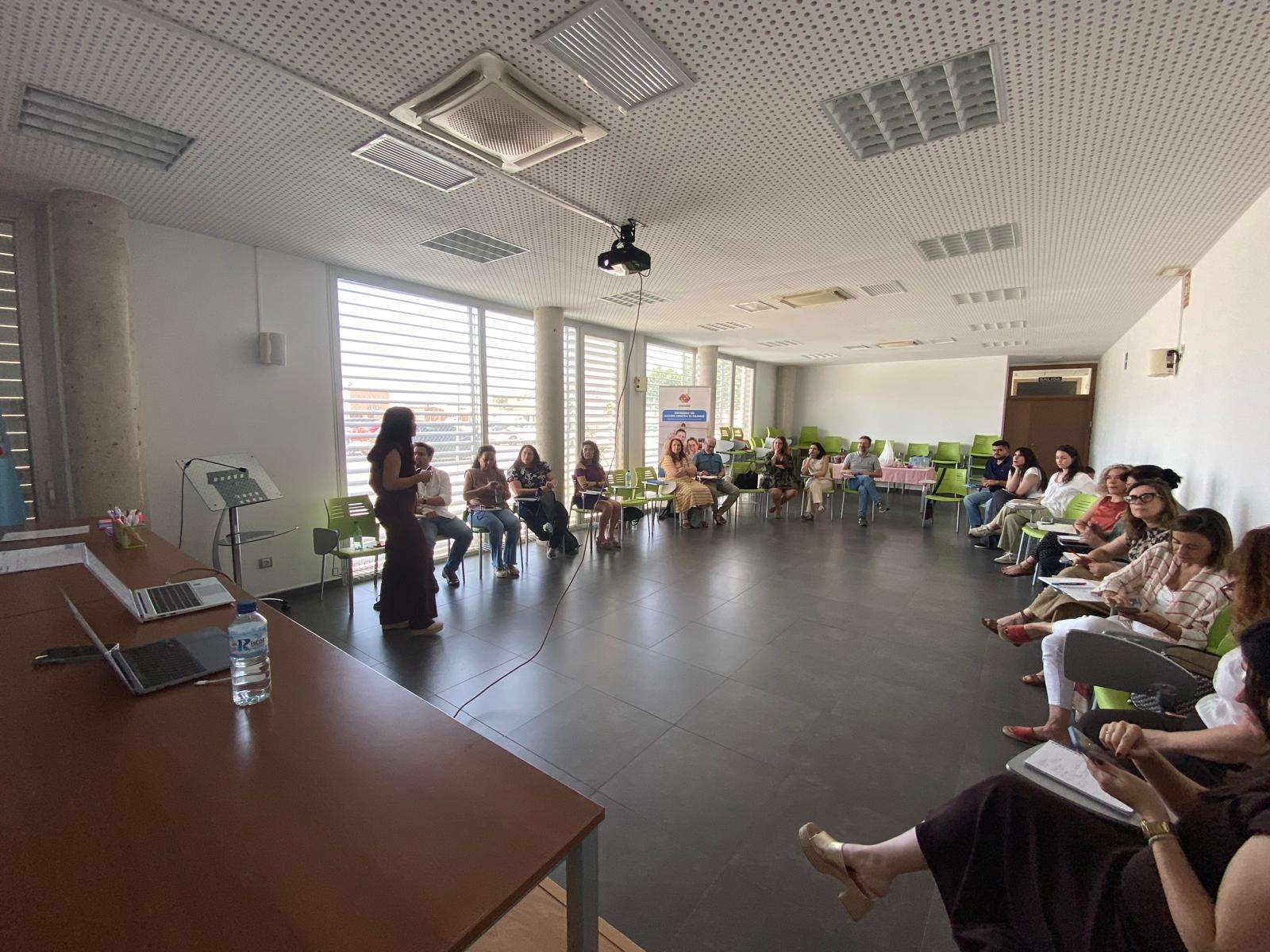
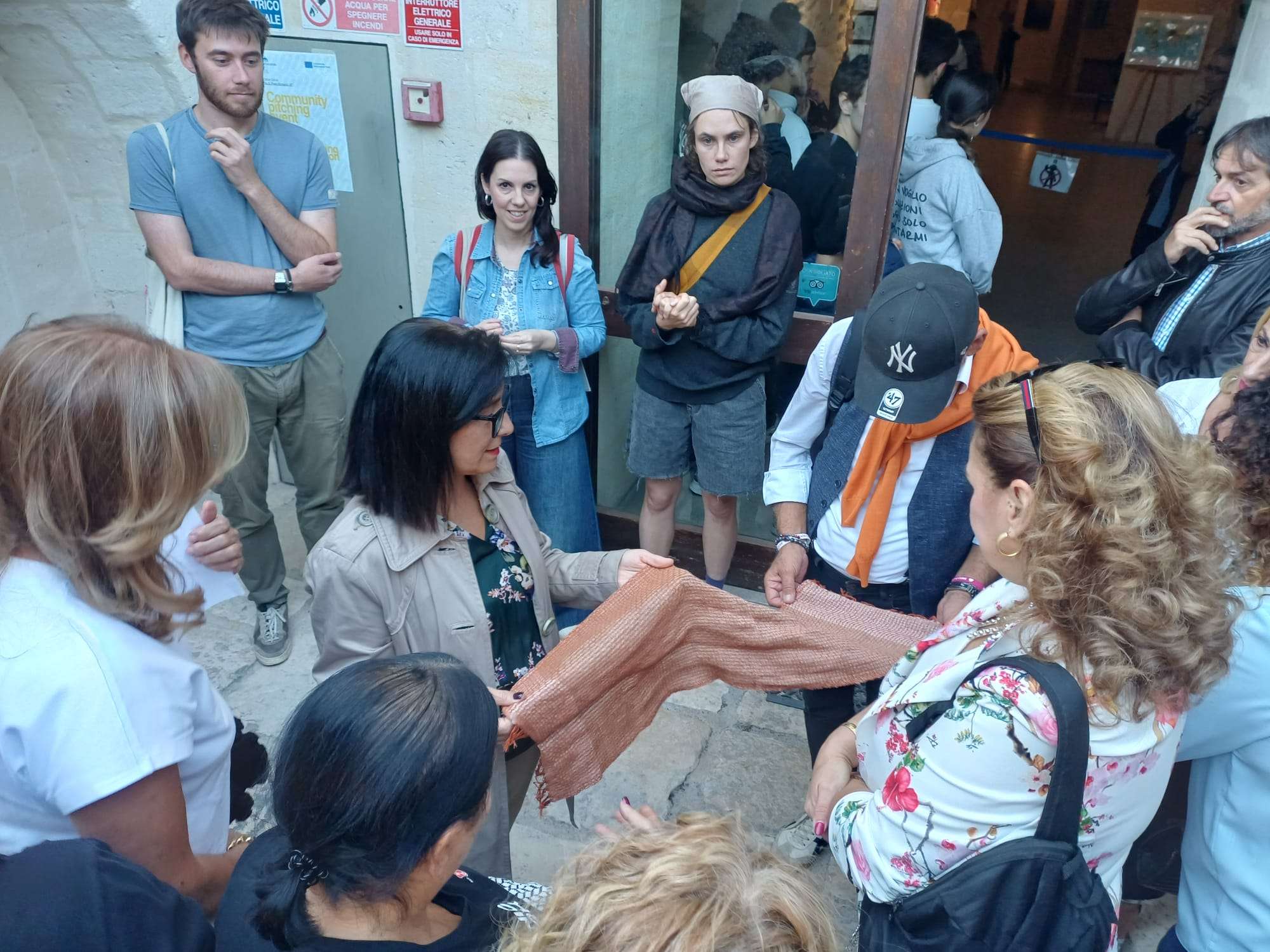
In Spain, 54 participants at the University of Extremadura used LEGO-based prototyping to explore social business ideas; in Hungary, a Youth for Social Impact workshop engaged 16 young people in Veszprém, alongside practical business events and a Hungarian-language awareness campaign. In Matera, stakeholders visited local initiatives linking artisan activities and social inclusion; in Cyprus, an SSE Challenge Lab invited participants to explore responses to community challenges; and in Albania, a seven-post campaign introduced social economy principles to a wider online audience.
These examples represent just a selection of the awareness-raising activities implemented throughout the project, all sharing a common goal: making the benefits of collective entrepreneurship visible through relatable local experiences.
From tested methods to reusable educational resources
The pilots have also provided practical feedback on how the CREASSE educational materials work in real settings. The Toolbox offers flexible activities and exercises across personal, entrepreneurial, green and innovative competences, while the Practical Handbook guides social facilitators through workshops, networking, mentoring, pitching and follow-up. Both are designed to be adapted by educators and support organisations rather than used only within the original programme.
Knowledge transfer is already taking place. In Spain, Acción contra el Hambre drew on the CREASSE Toolbox during a training-of-trainers session within Fundación Santa María la Real’s Micro-Master’s Programme, involving 28 participants. This offers a practical example of how the project’s methods can inform educational activities beyond its own pilot learning pathway.
Preparing long-term impact through local partnerships
Alongside training and awareness-raising, the partnership is finalising exploitation and sustainability actions intended to keep CREASSE results in use after the funded period. Work across the countries is focused on four complementary areas: formal cooperation arrangements, sharing results through external professional networks, adoption of educational resources by other organisations, and strategic discussions with institutions and potential funding partners. The status of individual actions varies, and several agreements and discussions remain in progress.
In Hungary, KDRIÜ is engaging with three rural development organisations: Mezőföldi Helyi Közösség Egyesület, Völgy Vidék Vidékfejlesztési Közösség Közhasznú Egyesület, and the Lake Velence Regional Development Association, which work within LEADER (Liaison Entre Actions de Développement de l’Économie Rurale), the European approach to community-led rural development, and maintains links with small and medium-sized enterprises. Discussions are exploring memoranda of understanding, letters of intent, opportunities for fundraising-related cooperation and strategic collaboration. An important objective is to enable these organisations to incorporate relevant CREASSE results and learning methods into their existing rural development, community support and enterprise-related activities.
Although these arrangements are still being developed, the approach reflects an essential lesson from the pilot experience: locally embedded organisations and trusted facilitators are crucial for reaching rural communities and supporting continued learning. The sustainability work therefore seeks not simply to keep publications online, but to establish routes for their continued practical use.
Resources and connections for the future
The publicly accessible CREASSE Toolbox, Practical Handbook and Alliances Mapping platform provide a starting point for that continued use. The mapping platform already brings together information about more than 140 social economy organisations and their connections, helping stakeholders explore the wider ecosystem and identify potential partners.
From thematic workshops and mentoring to community outreach and emerging institutional partnerships, CREASSE has shown how social entrepreneurship education can be rooted in local realities. Its longer-term impact will depend on the people and organisations that continue to adapt, share and apply these resources.
Explore the project’s resources and network at www.creasse.eu and www.creasse.eu/alliances-mapping/.